E-mail: sachikoo_sz@yeah.net
Telephone: +86-13118819569

Views: 0 Author: Site Editor Publish Time: 2026-06-02 Origin: Site


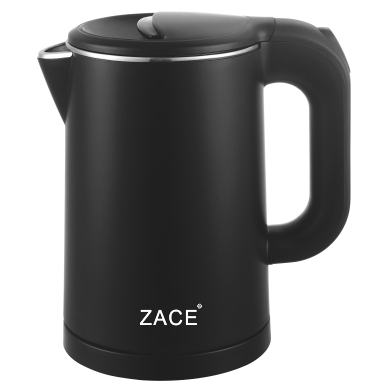
Choosing the right Hotel electric kettle means balancing guest comfort, product safety, durability, cleaning convenience, and long-term operating cost. For hotels, serviced apartments, resorts, guesthouses, and hospitality suppliers, the best kettle is not simply the cheapest model or the most stylish one. It should heat water efficiently, withstand frequent guest use, match the room design, and remain easy for housekeeping teams to maintain. For most standard hotel rooms, a practical choice is a 0.8L to 1.2L kettle with automatic shut-off, boil-dry protection, a stable base, food-grade water-contact materials, and a simple design that guests can use without extra instructions. For premium rooms or long-stay accommodations, larger capacity, quieter boiling, stainless steel interiors, or double-wall insulation may provide better value. A kettle may seem like a small room amenity, but it directly affects the guest’s experience. Many travelers expect to make tea, coffee, instant noodles, baby formula, or warm water without calling room service. A reliable Hotel electric kettle helps the property provide a more complete in-room experience at a relatively low cost. For hotel operators, the kettle also influences operational efficiency. A poorly selected kettle may lead to guest complaints, higher replacement frequency, cleaning difficulties, safety concerns, and inconsistent room presentation. A well-chosen model reduces these risks and supports a more professional hospitality image. In B2B procurement, the right kettle should serve three groups at the same time: guests need safe and convenient hot water, housekeeping teams need easy cleaning and inspection, and hotel owners need durable products with stable quality and reasonable replacement costs. Capacity should match the actual guest scenario. A kettle that is too small may frustrate guests, while an oversized kettle may waste energy and take up unnecessary room space. For standard hotel rooms, 0.8L to 1.0L is usually enough for tea, coffee, and daily warm water. For twin rooms, family rooms, or serviced apartments, 1.2L to 1.7L may be more practical because guests may use hot water more frequently. For most hotel projects, 1.0L is a balanced size. It is compact enough for a small room but large enough for common guest needs. If your property serves mostly business travelers, couples, or short-stay guests, a 0.8L to 1.0L Hotel electric kettle is usually sufficient. If your rooms target families, long-stay guests, or apartment-style accommodation, a larger capacity may be more suitable. Material selection is one of the most important decisions when buying hotel kettles in bulk. The interior part that contacts water should be food-grade, heat-resistant, and easy to clean. Stainless steel interiors are commonly used in hotel kettles because they are durable, heat-resistant, and easier to maintain. Plastic body kettles can be cost-effective, but buyers should pay attention to odor control, heat resistance, and material quality. Glass kettles offer a modern appearance, but they are more fragile and may not be suitable for high-turnover hotel environments. A good Hotel electric kettle should avoid strong plastic odor after boiling. Before bulk purchasing, hotels should test samples by boiling water several times and checking smell, taste, lid stability, handle comfort, and pouring performance. Safety is not only a product selling point. In hotel environments, guests have different usage habits, and staff cannot supervise how every kettle is used. For this reason, safety functions should be treated as a basic requirement. Important safety features include automatic shut-off, boil-dry protection, a stable anti-slip base, a heat-resistant handle, a secure lid design, a reliable power switch, proper cord length, cable storage, and a clear water level indicator. Boil-dry protection is especially important because guests may accidentally turn on the kettle without enough water. Automatic shut-off helps reduce overheating risk and improves convenience. A stable base also matters in compact hotel rooms where the kettle may be placed near cups, trays, or other amenities. Hotels often purchase products for different countries, regions, or chain locations. A kettle that works well in one market may not be suitable for another if the voltage or plug type is different. Before ordering a Hotel electric kettle, buyers should confirm the rated voltage, rated power, plug type, frequency, local safety requirements, instruction label language, and packaging requirements. For large hospitality projects, these details should be confirmed before mass production or shipment. For example, some markets commonly use 220–240V, while others use 110–120V. Plug shapes and grounding requirements can also differ. A procurement team should never assume that one kettle specification can fit all hotel projects. Guests usually expect a kettle to boil water quickly. However, higher wattage does not always mean a better hotel choice. Higher power may boil faster, but it can also increase electrical load pressure when many rooms use kettles at the same time. For many hotels, 1000W to 1500W is a practical balance between boiling speed and power management. If the hotel has older electrical systems or many rooms on shared circuits, the engineering team should review the load before selecting high-power kettles. A good buying decision should consider both guest experience and building infrastructure. Fast boiling is valuable, but reliability and safe operation are more important in hospitality environments. There is no single best material for every hotel. The best choice depends on room grade, budget, brand positioning, and maintenance capacity. A stainless steel Hotel electric kettle is suitable for most mid-range and business hotels. It gives a clean, professional appearance and performs well under frequent use. Stainless steel is also less likely to break compared with glass. This type is usually suitable for business hotels, chain hotels, high-use guest rooms, and standard hospitality procurement projects. Plastic body kettles are often used in budget hotels because they are lightweight and cost-effective. However, buyers should pay close attention to material quality, heat resistance, odor control, and overall product finish. This type can be suitable for large-volume projects, simple room setups, and cost-sensitive hotel procurement, as long as the product meets safety and quality requirements. Glass kettles look modern and allow guests to see the boiling process. They may be suitable for boutique hotels or premium room designs. However, glass is more fragile and may require stricter handling and replacement planning. This type is better suited to design-focused rooms, boutique hotels, and lower-risk usage environments. Double-wall kettles are designed to reduce external surface temperature and improve insulation. They are often a good option for premium hospitality spaces, family rooms, or properties that emphasize guest safety and comfort. This type is suitable for high-end hotels, resorts, premium serviced apartments, and family-oriented rooms. Hotel buyers sometimes focus only on capacity, price, and appearance. In actual use, smaller details can strongly influence guest satisfaction. A good spout should pour smoothly without dripping. Dripping water can wet the room tray, desk, documents, or electrical area. During sample testing, buyers should pour water slowly and quickly to check whether the spout remains controlled. Guests may use the kettle when it is full and hot. The handle should feel stable, insulated, and comfortable. A slippery or awkward handle can create a poor user experience. A loose lid may feel unsafe when pouring. A lid that is too tight may be inconvenient for elderly guests or users with limited hand strength. The best design should open easily but remain secure during pouring. Some kettles make louder boiling sounds than others. In business hotels, early-morning or late-night use is common. A quieter kettle can improve the room experience, especially in compact rooms. The kettle should match the tray, cups, minibar area, and room style. A simple white, black, silver, or brushed stainless steel finish is usually easier to integrate across different hotel room designs. Before placing a bulk order, hotel procurement teams should evaluate both product quality and supplier capability. For the product itself, buyers should check capacity, material, safety features, electrical specifications, cleaning convenience, user experience, appearance, packaging, spare parts support, and supplier reliability. For the supplier, buyers should confirm whether different plug and voltage options are available, whether samples can be provided, what quality inspection process is used, and whether repeat orders can maintain consistent specifications. A practical sample test should include boiling water multiple times, checking odor, testing automatic shut-off, observing pouring performance, inspecting the lid and base, cleaning the inner wall, and asking housekeeping staff whether daily maintenance is convenient. This process helps buyers avoid large-scale quality problems after installation. A very low unit price may look attractive in bulk procurement, but it can increase long-term replacement cost if the kettle fails frequently. For hotels, the real cost includes product price, maintenance time, guest complaints, replacement logistics, and room downtime. Incorrect voltage or plug type can delay installation and create operational problems. Buyers should always confirm specifications for the target market before production or shipment. A stylish kettle is not always practical. If the opening is narrow or the heating structure collects scale easily, housekeeping work becomes harder. A kettle without proper safety protection is not suitable for hotel environments. Since hotel guests use appliances in different ways, automatic safety functions are essential. A kettle may look good in a catalog but perform poorly in actual hotel use. Testing it on the room desk, tray, or minibar area can reveal practical issues such as unstable placement, short cord length, poor lid access, or mismatched design. Economy hotels should choose a compact, durable, easy-clean kettle with basic safety features. A 0.8L to 1.0L capacity is usually enough. The design should be simple, affordable, and easy to replace. Business hotels should choose a reliable Hotel electric kettle with stable heating performance, a professional appearance, and good durability. Stainless steel or high-quality plastic body models are common choices. Resorts and premium hotels should choose a kettle that supports both function and design. Double-wall stainless steel, glass, or refined temperature-control models may be considered depending on room positioning. Serviced apartments usually require a larger and more durable kettle because guests may stay longer and use hot water more frequently. A 1.2L to 1.7L model with easy descaling and stable heating performance is usually more suitable. The kettle itself is important, but supplier capability also affects the final project result. When purchasing hotel kettles in bulk, buyers should ask clear questions before confirming the order. Buyers should ask whether the supplier can provide different plug and voltage options, whether product samples are available, what safety functions are included, what materials are used for water-contact parts, whether logo customization is supported, what packaging method is used, and what quality inspection process is completed before shipment. For hotel groups, distributors, and hospitality project contractors, stable quality is often more important than one-time price savings. A reliable supplier should provide consistent product specifications, clear communication, and practical after-sales support. The right Hotel electric kettle should be safe, durable, easy to clean, and suitable for the room type. For most standard hotel rooms, a 1.0L kettle with automatic shut-off, boil-dry protection, a stable base, and a food-grade stainless steel interior is a practical choice. For premium rooms, double-wall insulation, quieter boiling, or a more refined design may improve guest satisfaction. For long-stay apartments, larger capacity and stronger durability are more important. Before bulk purchasing, hotels should test samples under real room conditions, confirm local electrical requirements, and evaluate cleaning convenience from the housekeeping team’s perspective. A careful selection process helps reduce complaints, extend product service life, and create a more comfortable in-room experience for guests. For most standard hotel rooms, 0.8L to 1.0L is suitable. For family rooms, serviced apartments, or resort villas, 1.2L to 1.7L may be more practical. Stainless steel is generally more durable and easier to maintain for frequent hotel use. Plastic body kettles can still be suitable for budget hotels if the material is heat-resistant, odor-controlled, and safe for water contact. A hotel kettle should have automatic shut-off, boil-dry protection, a stable base, a heat-resistant handle, and a secure lid. Buyers should also confirm voltage, plug type, and market-specific safety requirements. Hotels can choose kettles with concealed heating elements, smooth stainless steel interiors, and wide openings for easier cleaning. In hard water areas, regular descaling procedures should be included in housekeeping maintenance. Logo customization can improve brand consistency, especially for hotel chains, resorts, and premium properties. However, customization should not compromise safety, cleaning convenience, delivery time, or replacement flexibility.Why A Hotel Electric Kettle Matters In Guest Rooms
Key Factors To Consider When Choosing A Hotel Electric Kettle
Choose The Right Capacity For The Room Type
Pay Attention To Material And Interior Safety
Prioritize Safety Features
Match Voltage And Plug Type To The Target Market
Evaluate Heating Speed And Power Consumption
Stainless Steel, Plastic, Or Glass: Which Is Better For Hotels?
Stainless Steel Hotel Electric Kettle
Plastic Body Hotel Electric Kettle
Glass Hotel Electric Kettle
Double-Wall Hotel Electric Kettle
Important Guest Experience Details Often Overlooked
Pouring Performance
Handle Comfort
Lid Stability
Noise Level
Visual Match With Room Amenities
Bulk Procurement Checklist For Hotel Buyers
Common Mistakes When Choosing Hotel Electric Kettles
Choosing Only By Lowest Price
Ignoring Local Electrical Requirements
Selecting A Design That Is Hard To Clean
Overlooking Guest Safety
Not Testing Samples In Real Room Conditions
How To Choose A Hotel Electric Kettle For Different Hospitality Projects
For Economy Hotels
For Business Hotels
For Resorts And Premium Hotels
For Serviced Apartments
Supplier Selection: What Hotel Buyers Should Ask
Final Buying Advice
FAQs About Choosing A Hotel Electric Kettle
What Size Hotel Electric Kettle Is Best For Guest Rooms?
Is Stainless Steel Better Than Plastic For Hotel Kettles?
What Safety Features Should A Hotel Electric Kettle Have?
How Can Hotels Reduce Scale Buildup In Electric Kettles?
Should Hotels Customize Electric Kettles With Their Logo?