E-mail: sachikoo_sz@yeah.net
Telephone: +86-13118819569

Views: 0 Author: Site Editor Publish Time: 2026-05-27 Origin: Site


You rely on your morning brew to jumpstart the day. We all expect our kitchen equipment to function flawlessly every single morning. But when you look inside your trusted appliance, a stubborn white crust often ruins the view. Distilled white vinegar is the most accessible, budget-friendly pantry staple for removing this crust fast.
This common white buildup is known as limescale, or calcium carbonate. While it remains completely harmless to ingest, it creates hidden operational problems. It acts as a thick thermal insulator. It wastes electricity by forcing the heating element to work overtime. It distorts the delicate flavor of expensive pour-over coffee or specialty tea. Furthermore, it can completely destroy the appliance over time.
This guide provides a straightforward, evidence-based Standard Operating Procedure for the popular vinegar method. We will objectively evaluate its pros, cons, and expert alternatives. You will learn exactly how to restore your appliance to factory condition.
The Formula: A 1:3 ratio of distilled white vinegar to water, boiled and steeped, dissolves mineral bonds effectively.
The Side Effects: Vinegar produces pungent vapors and requires multiple flush-boils to remove lingering tastes.
Expert Pivot: Appliance manufacturers and industry experts often recommend 100% citric acid powder over vinegar for a faster, odorless, and safer clean.
Zero-Scrub Rule: Never use physical abrasives or harsh brushes inside the kettle; chemical dissolution (acid) is the only way to protect sensitive electronic temperature probes.
Many people panic when they spot chalky flakes inside their brewer. Let us clear up this common anxiety immediately. These flakes are not mold. They are certainly not bacteria. Microorganisms simply cannot survive boiling water. Instead, they are crystallized calcium and magnesium deposits. Tap water leaves these harmless minerals behind as it evaporates.
Over time, this limescale acts as a thick thermal insulator. It physically prevents heat from transferring efficiently from the heating element to the water. This forces the device to work much harder. You will experience notably longer boil times. You will ultimately waste electricity every time you turn it on. In a commercial setting, this energy waste adds up quickly.
High-end models, especially gooseneck designs, rely heavily on internal temperature probes. Limescale coats these delicate electronic sensors rapidly. This chalky coating causes premature shut-offs. Your appliance might even boil over unexpectedly because it cannot read the temperature accurately. Replacing a ruined high-end Electric Kettle is an expensive consequence of ignoring limescale.
Finally, excessive mineral buildup strips the flavor nuance from specialty teas. Pour-over coffees lose their bright, acidic notes. You are left tasting a flat, metallic mouthfeel instead of your premium roast. Clean water is the fundamental basis of any good beverage.
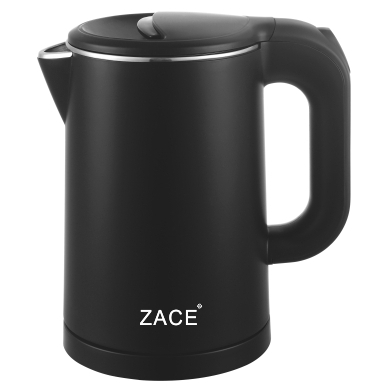
Executing a proper clean requires a highly systematic approach. Follow this evidence-based Standard Operating Procedure to dissolve stubborn crust safely. It requires minimal active effort.
Phase 1: Prep & The Spout Filter. Most people completely forget the mesh filter located inside the spout. Remove this piece carefully. Rinse it thoroughly under warm tap water. Use your fingers to rub away trapped calcium flakes softly. This ensures a smooth pouring experience.
Phase 2: The 1:3 Ratio Boil. Fill your Electric Kettle using a precise mixture. Use one part distilled white vinegar to three parts water. Do not overfill the chamber past the maximum safety line. Bring the mixture to a rapid, rolling boil.
Phase 3: The Dwell Time (Standard vs. Eco-friendly). You have two choices for this step depending on your schedule.
Standard: Turn off the appliance immediately after it boils. Let the hot acidic solution sit inside for 20 to 30 minutes. This thermal action breaks down stubborn mineral bonds quickly.
Eco-Friendly No-Boil Alternative: Pour straight vinegar directly onto the bottom heating plate. Use just enough liquid to cover the metal surface. Leave it to soak overnight without using any electricity. This saves energy.
Phase 4: The Purge. Dump out the dirty acidic solution carefully. To eliminate the dreaded "pickle factory" odor, you must flush the system. Boil a full tank of fresh water. Discard this boiling water immediately down the sink. Repeat this rinse step at least twice to ensure zero taste contamination.
By following these defined phases, you restore factory performance safely and efficiently.
Vinegar works reliably for most households. It is cheap and almost always available in your pantry. However, acetic acid creates highly pungent steam during the boiling cycle. It leaves a lingering sour taste if you do not flush it aggressively. Prolonged exposure can also mildly corrode certain rubber seals inside the unit.
Because of these specific drawbacks, testing institutions mandate alternative chemical methods. Premium appliance brands, such as Zojirushi, officially recommend using 100% citric acid powder. It provides a faster, completely odorless, and much safer cleaning experience. It protects the sensitive components of a premium Electric Kettle effortlessly.
Let us evaluate both solutions side-by-side to understand the commercial standard.
| Evaluation Dimension | White Vinegar Method | Citric Acid (100%) Method |
|---|---|---|
| Chemical Efficacy | Effective for mild buildup. It requires a higher liquid volume to soak internal walls properly. | Highly concentrated naturally derived compound. It dissolves tough scale significantly faster. |
| Sensory & Odor | Produces a pungent, lingering acetic acid smell. Carries a high risk of sour-tasting tea later. | 100% odorless during and after boiling. Presents zero risk of flavor contamination for beverages. |
| Manual Labor | Requires aggressive boiling. Mandates multiple fresh water flush cycles to clear the smell. | Often requires zero scrubbing. Needs fewer rinse cycles compared to traditional pantry liquids. |
Citric acid simply outperforms traditional pantry remedies across every metric. It protects your expensive hardware while saving you considerable maintenance time.
Protecting your appliance means avoiding common internet cleaning hacks entirely. Many popular social media methods actually cause permanent damage to your equipment. You must understand the chemistry behind these failures.
The Dish Soap Fallacy: Never use liquid dish soap for interior mineral cleaning. Soap is naturally neutral or slightly alkaline. It physically cannot break down hard mineral bonds. It only creates a gross, slimy soapy film over the existing limescale. This ruins your next batch of water.
The Baking Soda Danger: Baking soda is a chemical base. It is completely useless against alkaline mineral deposits. Worse, boiling baking soda generates rapid carbon dioxide expansion. This reaction causes dangerous, violent splattering of boiling water across your kitchen counter. It is a severe burn hazard.
Abrasive Scrubbing: You must strictly avoid using scouring pads, steel wool, or stiff brushes. They permanently scratch delicate stainless steel finishes. More importantly, aggressive scrubbing can easily snap internal temperature sensors. Chemical dissolution remains the only safe method.
Thermal Shock (Glass Kettles): Glass requires extreme caution during maintenance. Never dump out boiling vinegar water and immediately rinse a glass Electric Kettle using ice-cold tap water. This drastic temperature change causes severe thermal shock. The glass will shatter instantly in your hands.
Follow authoritative chemical reasoning to keep your equipment operational. Always rely on proper acid-based treatments instead of physical force.
Different hardware designs require highly unique maintenance routines. You must adapt your cleaning strategy based on specific appliance features. Treating every model the same way leads to poor results.
Consider the interior heating element layout first. This dictates your cleaning frequency.
Concealed Plates (Flat Bottom): Modern designs feature hidden heating elements under a flat stainless steel plate. These are much easier to maintain. They usually require standard monthly chemical descaling to stay highly efficient. You can easily wipe the flat surface clean.
Exposed Coils: Older or budget models often feature exposed heating tubes directly inside the water chamber. Limescale wraps entirely around these metal elements quickly. This drastically increases the risk of premature element burnout. You must monitor and treat exposed coils bi-weekly for safety.
Exterior polishing depends heavily on your specific material finish. You want the device to look pristine on your counter.
For stainless steel models, you must avoid abrasive sponges entirely. Instead, buff the outer surface using a soft microfiber cloth. Add a tiny drop of natural olive oil to the cloth. This simple trick provides a brilliant, streak-free factory-shine finish.
For glass and ceramic models, wipe the exterior using warm soapy water. Dry it immediately using a soft, clean towel. This immediate drying prevents unsightly external hard-water spots from forming. Proper exterior care ensures your premium Electric Kettle remains a beautiful focal point in your kitchen.
Maintaining a clean water boiler proactively protects your financial investment. It also guarantees a superior morning beverage every single day. Keep these final strategic takeaways in mind as you plan your kitchen maintenance routine:
Distilled white vinegar serves as the perfect immediate, zero-cost fix for heavy mineral buildup. It utilizes supplies you already own.
For long-term, completely hassle-free maintenance, upgrading to food-grade citric acid powder remains the superior operational choice. It saves time and prevents odor issues.
Strictly avoid abrasive brushes and basic dish soaps. You must protect sensitive internal electronic sensors from physical damage.
Always adapt your specific cleaning frequency to match your local water hardness and interior hardware design.
Take action right now to improve your daily routine. Inspect the bottom heating plate of your appliance today. If thick chalky buildup is clearly visible, initiate the vinegar soak immediately. Set a recurring calendar reminder on your phone to repeat this chemical process every 30 to 60 days. Consistent care guarantees perfect performance.
A: No. It is merely concentrated calcium and magnesium left behind from evaporating tap water. While it is completely safe to consume, it acts as an insulator. This buildup is highly detrimental to appliance performance and beverage taste.
A: It is not recommended. Apple cider vinegar contains residual sugars and organic matter. When heated, these elements can burn directly onto the heating plate. This leaves a sticky, difficult-to-remove residue inside your appliance.
A: If you use it daily in a hard-water region, you should descale it once a month. In soft-water areas, treating it every two to three months is sufficient. Always empty residual water after boiling to slow down the scaling process.