E-mail: sachikoo_sz@yeah.net
Telephone: +86-13118819569

Views: 0 Author: Site Editor Publish Time: 2026-05-28 Origin: Site


Upgrading your kitchen appliances frequently brings a common dilemma. You must choose between the sleek aesthetics of glass and the utilitarian ruggedness of metal. Countertop appeal certainly matters for modern homes. However, you must evaluate long-term durability, material degradation, and daily usability before making a purchase. A poor choice leads to deeply frustrating outcomes. You might face shattered glass, rusted metal, or unexpected exposure to hidden plastics. Furthermore, internal micro-components often degrade over time silently. We aim to objectively compare stainless steel and borosilicate glass. We will closely analyze physical resilience, thermal efficiency, and chemical stability. You will discover exactly how these materials perform under daily stress. We removed the guesswork from this appliance comparison. Read on to find out which option ultimately best suits your household needs and daily routines.
Physical Durability: Food-grade stainless steel easily outlasts glass in drop-tests and daily wear-and-tear, making it the superior choice for high-traffic or family kitchens.
Chemical Stability: Borosilicate glass is entirely non-reactive, ensuring zero flavor transfer, whereas lower-tier steel can impart a metallic taste if not properly maintained.
Hidden Risks: Both materials frequently rely on silicone or hidden plastic components for temperature probes and spout seals—true "100% plastic-free" electric kettles are rare in both categories.
Efficiency: Stainless steel boasts faster boiling times (typically 4–5 minutes for 1.5L vs. 6–7 minutes for glass) and superior heat retention.
Metal stands unmatched when it comes to brute physical resilience. High-grade stainless steel is virtually immune to shattering. You can drop it on a tile floor, and it will survive. Catastrophic failure from accidental impact is incredibly rare. High-quality variants contain specific alloys to boost longevity. The most common food-grade ratings are 304 or 18/8. These numbers indicate 18% chromium and 8% nickel.
This exact composition creates a robust protective layer. It prevents rust and structural decay. However, stainless steel does have minor vulnerabilities. A heavy impact will likely cause an unsightly dent. Furthermore, surface scratching remains a constant threat. People often scrub metal surfaces using abrasive materials like steel wool. This harsh cleaning method compromises the rust-resistant oxide layer. Once you strip this protective barrier, localized rust can develop.
Glass appliances rely on entirely different engineering principles. Modern transparent models utilize high-borosilicate glass. Manufacturers engineer this material specifically to handle extreme temperature fluctuations. You can pour freezing water into a hot borosilicate jug without shattering it. Boron trioxide changes the structural properties of the glass. It vastly improves thermal shock resistance compared to standard soda-lime glass.
Despite these thermal advantages, an implementation risk remains. Glass is fundamentally brittle. It cannot absorb kinetic energy well. Daily use introduces micro-abrasions to the surface. You might accidentally tap the jug against a granite countertop or a metal faucet. These tiny impacts create microscopic cracks. They weaken the structural integrity over time. Eventually, a seemingly harmless heating cycle can trigger unexpected breakage. This delayed failure often surprises users.
| Feature | Stainless Steel (304 / 18/8) | Borosilicate Glass |
|---|---|---|
| Drop Resistance | Excellent (May dent, but will not break) | Poor (High risk of shattering) |
| Thermal Shock Resistance | Exceptional (Immune to temperature cracks) | Very Good (Engineered for heat swings) |
| Wear & Tear Weakness | Abrasive scratching degrades rust immunity | Micro-cracks lead to delayed structural failure |
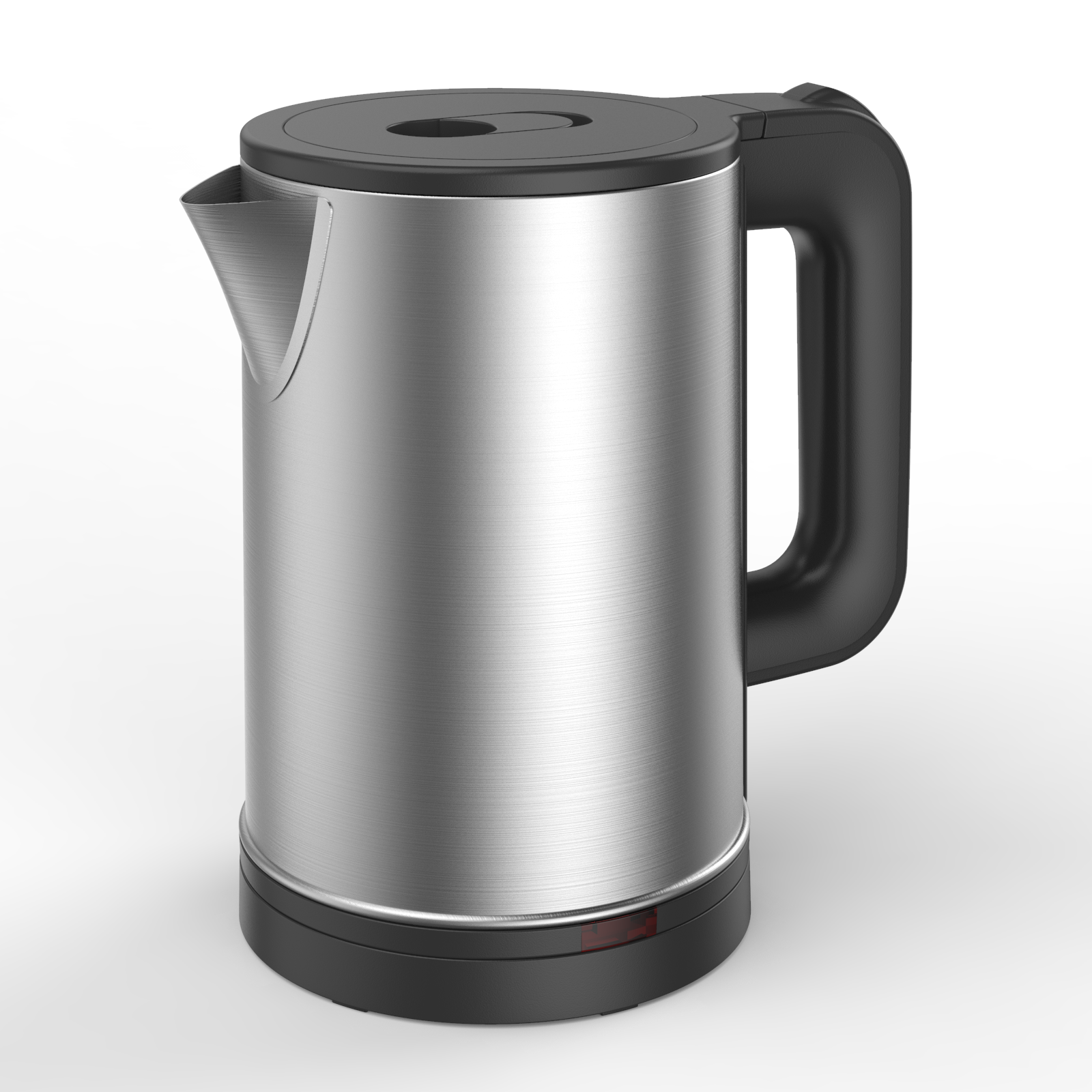
Consumers consistently prioritize health and material purity. Appliance brands heavily market their products as "BPA-free." You must challenge this marketing label carefully. "BPA-free" simply means the product lacks Bisphenol A. It does not guarantee a completely plastic-free interior. Many modern models still utilize plastic lids. They often feature inner plastic rims exposed directly to boiling steam. Hot steam causes certain plastics to degrade and potentially leach over time.
You should also understand an important industry secret. Manufacturers must ensure watertight seals around the heating elements. They often place temperature sensors at the very bottom of the water chamber. A premium Electric Kettle usually requires a food-grade silicone ring to seal this bottom-mounted probe. Truly 100% metal or glass environments are exceptionally rare. You will almost always find a silicone gasket securing the spout or the base plate.
Glass offers absolute transparency and zero porosity. It represents the gold standard for tea purists. A borosilicate surface will never absorb lingering odors. It will never leach heavy metals into your morning beverage. You get a visually pure experience every single time. Those concerned about microplastics often gravitate exclusively toward glass models.
Stainless steel also provides excellent safety parameters. High-quality 304 or 18/8 steel remains exceptionally stable. It handles temperatures up to 1400°F without degrading. Food-grade metal will not leach chemicals under normal kitchen conditions. However, unverified lower-grade steel presents a risk. Cheap alloys can react poorly to highly acidic water. They sometimes leave a noticeable metallic aftertaste. You must verify the steel grade before buying to ensure flavor preservation.
Metal naturally possesses superior thermal conductivity. Heat transfers quickly from the base element directly into the water. This physical trait translates directly into faster boiling speeds. Real-world data highlights a clear performance gap between materials. A standard 1.5L stainless steel jug typically boils water in roughly four to five minutes.
Glass acts as a mild insulator against the heating element. It slows down the initial energy transfer. Consequently, glass models require more time to reach a rolling boil. Heating the same 1.5L volume usually takes six to seven minutes. If you value speed during busy mornings, metal easily wins this category.
Boiling the water represents only half the battle. Keeping it hot matters equally for energy consumption. Stainless steel provides better natural insulation. Manufacturers often design double-walled metal models. The outer layer remains cool while an inner vacuum traps the heat. This smart construction keeps your water hot for hours.
Glass dissipates heat rapidly. The ambient air cools the transparent walls almost immediately. You will find yourself reheating the water repeatedly if you want a second cup of tea. Double-walled insulation significantly reduces the need for repeated reheating. This subtle design difference lowers long-term energy use in active households.
Most homes deal with hard water to some degree. Calcium and magnesium dissolve in tap water. They separate and stick to surfaces during the boiling process. Glass exposes everything happening inside the chamber. Mineral deposits become highly visible after just a few uses. Your pristine appliance quickly looks cloudy and unappealing. You face demanding aesthetic maintenance daily.
Stainless steel hides scale buildup perfectly. The opaque walls conceal cloudy water spots and mineral chalk. This hidden reality serves as a double-edged sword. Your kitchen looks cleaner and more organized longer. However, hidden scale leads to neglected maintenance. Thick mineral deposits eventually coat the heating element. This chalky barrier degrades heating efficiency and forces the appliance to work harder.
Both materials require strict maintenance routines to ensure longevity. You should descale your appliance monthly. Do not use abrasive scrubbing pads. They scratch glass and ruin metal rust protection. Follow this standardized protocol for safe cleaning:
Mix a 1:1 solution of white vinegar and fresh water. You can also use two tablespoons of citric acid powder.
Pour the mixture into the jug until it covers the mineral deposits.
Turn the device on and let the solution reach a rolling boil.
Turn off the heat and let the mixture soak undisturbed for 15 minutes.
Discard the liquid and rinse the interior thoroughly. Boil a batch of plain water to remove any lingering vinegar taste.
Material density severely impacts daily ergonomics. Borosilicate glass feels notably heavier. You must account for this base weight before adding 1.5 liters of water. Pouring from a heavy jug challenges users with limited wrist strength. Conversely, metal offers a much lighter structural frame.
You must also consider burn risks. Single-walled stainless steel becomes dangerously hot. Touching the outside causes immediate pain. Double-walled steel solves this problem entirely. The exterior remains cool to the touch. This feature represents a crucial safety factor for households with young children.
You should prioritize metal if you manage a busy household. It survives chaotic environments effortlessly. Choose metal if you have children reaching for countertops. You need an appliance immune to shattering. Budget-conscious buyers looking for longevity should stick to steel. Users prioritizing rapid heating and long-lasting heat retention will find metal far superior.
Evaluation Criteria:
The packaging must explicitly state 304 or 18/8 food-grade steel.
Avoid products using vague "premium steel" descriptions. They often rust.
Look specifically for double-walled construction to ensure heat retention and cool-touch safety.
You should lean toward glass if you curate an aesthetic-driven kitchen. The visual appeal remains unmatched. Strict flavor purists also prefer transparent designs. They want visual confirmation of water purity. Watching the rolling boil provides a satisfying daily ritual. Choose glass if you commit to regular cleaning and careful handling.
Evaluation Criteria:
Verify the glass thickness in the product specifications. Thicker glass resists micro-cracks slightly better.
Check the base connection for excessive silicone sealant. Less sealant means fewer hidden joints.
Ensure the lid interior utilizes stainless steel instead of plastic to prevent steam exposure.
Some design choices compromise health and durability regardless of the primary material. Always inspect an appliance for these critical red flags before purchasing:
Plastic inner walls: Never buy a model where boiling water directly contacts plastic casing.
Exposed copper or uncoated aluminum: These metals react heavily with water and alter flavor profiles quickly.
Uncertified ceramic glazes: Cheap decorative models sometimes use glazes prone to heavy metal leaching at high temperatures.
Your choice ultimately depends on your daily lifestyle and risk tolerance. Stainless steel wins decisively on physical durability, longevity, and heating efficiency. It survives drops and boils water faster. Glass wins heavily on chemical inertness, aesthetic appeal, and flavor neutrality. It guarantees zero metallic taste. We recommend basing your purchase on two main factors. Evaluate your household's risk of dropping appliances. Then, assess your personal tolerance for daily aesthetic maintenance. Busy family kitchens should choose high-grade metal. Tea purists seeking a pristine visual experience will find borosilicate glass entirely worth the extra care.
A: High-quality 304 or 18/8 stainless steel strongly resists rust. However, using abrasive pads can easily scratch the protective chromium oxide layer. This damage leads to localized oxidation. Rust also develops faster if you constantly leave stagnant water sitting inside the jug.
A: True borosilicate glass is highly resistant to thermal shock. It will not explode from heat alone. Sudden failures almost always stem from prior, unnoticed physical impacts. Tapping the jug against a sink causes micro-cracks. These invisible cracks eventually fail under thermal stress.
A: Functionally, stainless steel is much easier to manage. You can safely descale it without worrying about cracking the vessel. Aesthetically, glass reveals every single mineral deposit. It requires significantly more frequent cleaning to look presentable in a hard water area.