E-mail: sachikoo_sz@yeah.net
Telephone: +86-13118819569

Views: 0 Author: Site Editor Publish Time: 2026-05-29 Origin: Site


We all recognize the reassuring "click" when our water finally finishes boiling. It casually signals time for your morning coffee or evening tea. However, surprisingly complex engineering actually makes this everyday convenience happen behind the scenes. Understanding this hidden auto-shutoff mechanism satisfies basic household curiosity. It also proves absolutely crucial for diagnosing unexpected appliance failures before they escalate. You can better ensure overall home safety and expertly evaluate modern appliance features before making a purchase. This comprehensive guide dismantles the fascinating physics behind the automatic shutoff trigger. We compare simple mechanical disk sensors against advanced smart electronic alternatives available today. Finally, we provide a clear, actionable framework for deciding exactly when a malfunctioning unit needs immediate replacement.
Steam, Not Water Temperature, is the Trigger: Most kettles rely on steam pressure traveling through a hidden channel to flip a bimetallic disk, rather than measuring the water directly.
Lid Placement is Critical: Leaving the lid open prevents steam pressure buildup, rendering the primary auto-shutoff mechanism useless.
Secondary Safety Systems are Standard: Quality kettles feature "boil-dry protection" (thermal fuses) as a catastrophic fail-safe if the primary sensor fails.
Smart Kettles Use Different Tech: Premium models utilize electronic thermistors rather than mechanical disks, allowing for variable temperature control and better altitude compensation.
Limescale is the #1 Failure Point: A kettle that won't shut off is usually suffering from a blocked steam tube or calcified sensor, signaling an immediate need for maintenance or replacement.
Buyers must establish a baseline understanding of standard appliance hardware. You need to know which internal components remain most prone to daily wear and tear. This knowledge empowers better purchasing decisions.
The heart of a standard Electric Kettle lies within its thermostat. Manufacturers typically rely on a bimetallic disk for this function. This vital component features two distinct metals permanently bonded together. Each metal inherently possesses a unique thermal expansion coefficient. One layer expands rapidly when exposed to high heat. The opposite layer expands at a considerably slower rate. As the internal temperature rises, this stark difference creates intense physical stress. The entire disk eventually buckles under this uneven expansion pressure. It abruptly snaps into an inverted dome shape. This sudden physical movement generates the satisfying click you hear. It physically breaks the electrical circuit inside the base unit. The heating process stops instantly.
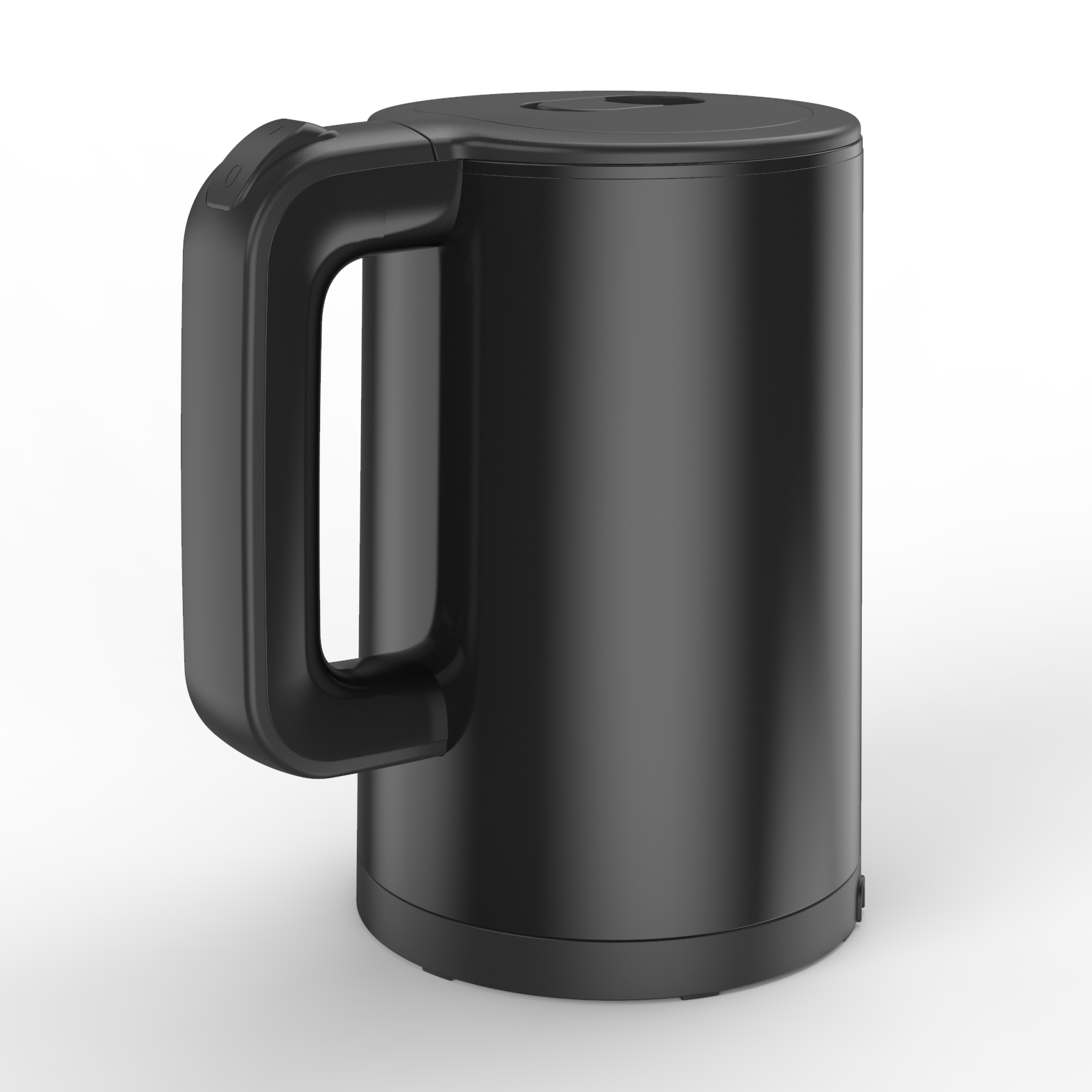
Many people mistakenly assume the thermostat touches the boiling water. It actually lives safely hidden inside the bottom base. How does it know the water boiled? It uses a clever indirect measurement method. A dedicated steam channel runs down the inside of the handle. When water hits a rolling boil, it creates immense internal steam pressure. This pressure forces high-temperature vapor down the hidden tube. The steam quickly heats the waiting bimetallic disk below. This brilliant design explains why operating the appliance open breaks the entire system. You must seal the top completely. Without a tightly sealed lid, steam escapes harmlessly into your kitchen. Pressure never builds up enough to push heat down the handle channel. The unit will simply boil indefinitely. This burns unnecessary electricity and creates a serious household hazard.
Consumers often struggle to justify the steep price difference between budget models and premium smart appliances. We can guide you through the current market landscape based on internal componentry.
Budget appliances dominate store shelves globally. They almost exclusively use mechanical bimetallic switches. These traditional thermostats offer distinct manufacturing advantages. They are incredibly cost-effective to produce at scale. They also prove highly durable under normal daily use. The industry standardized these components decades ago. However, mechanical disks face a major limitation regarding altitude. Water boils at substantially lower temperatures at higher elevations. The boiling point drops roughly 0.5°C for every 150 meters gained. A manufacturer calibrates a mechanical disk strictly for 100°C at sea level. If you live in a high mountain town, your water might boil at 92°C. The steam never gets hot enough to trigger the 100°C bimetallic disk. You experience continuous, frustrating boiling until you intervene.
Premium models abandoned mechanical disks entirely. They adopted advanced electronic thermistors instead. A thermistor acts as a specialized resistor. Its electrical resistance changes predictably as surrounding temperatures fluctuate. Smart appliances connect these tiny sensors directly to internal microprocessors. This technological upgrade provides significant purchasing value for consumers. It allows for highly precise, variable temperature control. You can select 85°C for delicate green tea. You might choose 93°C for pour-over coffee brewing. The microprocessor also dynamically compensates for altitude differences globally. Furthermore, thermistors enable much faster and more reliable overcurrent protection.
| Feature Category | Mechanical Bimetallic Disk | Electronic Thermistor (Smart) |
|---|---|---|
| Primary Mechanism | Physical metal expansion rates | Electrical resistance changes |
| Altitude Performance | Poor (often fails to trigger) | Excellent (microprocessor adjusts) |
| Temperature Control | Fixed rigidly at ~100°C | Variable (e.g., 85°C to 100°C) |
| Manufacturing Cost | Highly cost-effective | Premium pricing required |
Modern compliance and safety standards mandate multiple layers of protection. We can demonstrate true appliance trustworthiness by debunking stubborn household myths using hard thermodynamics.
Many older relatives swear by a specific household rule. They insist you must manually switch the appliance off right before it clicks. They incorrectly believe letting it boil automatically causes "dry burning" damage. We can completely debunk this pervasive myth using basic thermodynamics. The science focuses on the latent heat of evaporation. As long as liquid water remains inside the basin, the internal temperature stays perfectly constant. It absolutely cannot exceed the boiling point under normal atmospheric pressure. The powerful heating element simply converts liquid into vapor. Waiting a few extra seconds for the automatic click causes zero thermal damage. The Electric Kettle operates exactly as engineered.
What happens if the internal steam channel completely clogs? What if you accidentally turn on an entirely empty appliance? Engineers design modern units to anticipate these exact human errors. They install a critical secondary safety layer known as boil-dry protection. This robust system relies on dedicated thermal fuses. If the primary steam sensor fails, the heating element temperature violently spikes. It rapidly climbs well past normal boiling parameters. The thermal fuse detects this dangerous overheating instantly. It then permanently or temporarily breaks the electrical circuit. This fail-safe mechanism definitively prevents a catastrophic fire hazard in your kitchen.
Always verify these standard safety features when evaluating new models:
Primary bimetallic steam sensor for standard boiling shut-off routines.
Secondary thermal fuse for emergency boil-dry protection.
Durable silicone seals to prevent dangerous steam leakage around the lid.
Insulated exterior handle designs to protect users from hot internal steam channels.
You need an actionable decision matrix when experiencing hardware failure. We provide a clear threshold for when to attempt a DIY fix versus when to purchase a brand-new unit.
Hard water creates massive operational problems for household appliances over time. Calcium and magnesium deposits slowly calcify interior steel surfaces. This limescale frequently blocks the narrow steam tube hidden inside the handle. It can also physically coat the internal bimetallic sensor. Both issues prevent accurate heat transfer. You will notice distinct acoustic clues before the appliance completely fails. The physics of cavitation explain these early warning sounds. Heavy limescale drastically alters internal heat distribution. Steam bubbles form prematurely at the extremely hot bottom layer. They violently collapse upon hitting cooler water layers above. This causes violently loud, localized popping noises long before actual boiling occurs. If your appliance suddenly sounds excessively loud, heavy limescale is likely the culprit.
Follow a strict maintenance protocol before discarding a malfunctioning appliance. Regular upkeep often solves basic sensor issues.
Inspect the handle and lid area for any visible physical damage or blockages.
Prepare a simple mixture of equal parts cold white vinegar and filtered water.
Pour the cold mixture inside and let it soak undisturbed for several hours.
Rinse the interior basin thoroughly with fresh tap water to remove acidic residue.
Test the boiling cycle to see if the auto-shutoff restores itself perfectly.
We must emphasize a critical implementation warning based on rigorous testing. Never attempt the "boiling hot vinegar" hack found on countless internet blogs. Boiling highly acidic solutions causes hidden structural damage immediately. The intense heat and acid severely degrade stainless steel interior welds. It also destroys the waterproof silicone seals surrounding the base heating element. Your appliance will inevitably start leaking water over your electrical counters.
What if a thorough cold-descale does not restore the shutoff function? The underlying bimetallic disk is likely fatally fatigued from years of thermal stress. Alternatively, the internal wiring itself might be critically compromised. Continuing to use the appliance at this late stage presents a severe fire hazard. We strictly recommend immediate replacement over attempting dangerous DIY electrical repairs.
| Observable Symptom | Probable Cause | Recommended Next Action |
|---|---|---|
| Boils endlessly with the lid open | Normal physics (loss of steam pressure) | Close the lid firmly and retry the cycle. |
| Extremely loud popping + fails to click | Severe limescale blockage inside | Perform a gentle cold vinegar soak. |
| Clean interior but still boils endlessly | Fatigued bimetallic disk or blown fuse | Discard and replace the unit immediately. |
The familiar click of your morning brew relies on surprisingly elegant engineering. You now understand the precise interaction between rising steam pressure and thermal expansion. Electronic resistance plays an equally vital role in premium smart models. Moving forward, apply this practical knowledge to ensure safe daily operation. Take these actionable steps:
Close the lid securely: Always verify a tight physical seal before pressing the power switch to ensure proper steam routing.
Commit to cold descaling: Schedule a gentle cold-vinegar soak every few months to actively protect delicate thermal sensors.
Prioritize safety upgrades: Verify new purchases explicitly advertise built-in thermal fuses for emergency boil-dry protection.
Match tech to habits: Choose a thermistor-based smart model if you frequently brew specialty coffees or live at high altitudes.
Reliable auto-shutoff components remain entirely non-negotiable for basic household safety. Never ignore a failing internal sensor. A quick appliance replacement provides immediate peace of mind for your daily kitchen routine.
A: This noise happens due to the physics of cavitation. As the internal element heats up, steam bubbles form at the very hot bottom. These bubbles quickly rise into the cooler upper water layers and violently collapse. This rapid expansion and collapse creates loud, localized popping noises. Once the entire water volume reaches a uniform boiling temperature, the bubbles reach the surface intact, and the noise actually decreases.
A: Quality models feature entirely dormant circuits when switched off safely. However, unplugging them remains a very smart household habit. It actively protects sensitive internal components against rare electrical power surges. More importantly, it guarantees the mechanical switch cannot be accidentally bumped into the "on" position while the interior basin sits completely empty.
A: Yes. Water boils at a substantially lower temperature at high altitudes. A traditional mechanical model relies on steam hitting exactly 100°C to successfully flip the internal bimetallic disk. In a high mountain town, the water might boil at just 92°C. It never generates steam hot enough to trigger the standard sensor. High-altitude users typically require thermistor-based smart models.