E-mail: sachikoo_sz@yeah.net
Telephone: +86-13118819569

Views: 0 Author: Site Editor Publish Time: 2025-09-30 Origin: Site


Ever wondered why some upscale hotels have telephones in their bathrooms? A bathroom phone isn't just a quirky feature; it has historical significance. Once a symbol of luxury, these phones offered convenience and connectivity in an era before mobile devices. In this post, you'll learn about their rise in popularity, their decline, and why some hotels still maintain them today.
In the 1980s and 1990s, a telephone in a hotel bathroom was more than just a gadget; it was a clear sign of luxury. During this era, having a phone in the bathroom meant guests could stay connected without leaving the tub or toilet. It was a convenience that spoke to the high-end nature of the hotel. For travelers, especially businesspeople or those on important trips, missing a call could mean lost opportunities. The bathroom phone ensured they never had to rush or miss out, even while freshening up.
This luxury was not just about convenience—it was about exclusivity. Not many hotels offered this feature. Those that did were often rated higher and seen as more prestigious. The phone in the bathroom became a symbol of comfort and status, signaling that the hotel went the extra mile to cater to its guests' needs.
Bathroom phones were part of a broader trend of adding unique, high-end amenities to bathrooms. Another popular luxury feature was having a television installed above the bathtub. Imagine soaking in a bubble bath while watching your favorite show or catching the evening news. This kind of indulgence was designed to make guests feel pampered and at home, even when away.
Both bathroom phones and TVs represented a time when hotels competed to offer the most lavish experiences. They were about creating a seamless blend of utility and indulgence. While a TV above the tub entertained, the phone ensured you stayed reachable. Together, these features set the standard for luxury hospitality in that era.
However, these amenities also reflected the technology and social habits of the time. Before mobile phones, guests relied heavily on landlines. The bathroom phone was a practical solution to a real problem: how to stay connected without missing calls. Today, these features seem a bit outdated, but back then, they were cutting-edge.
Note: For hotels aiming to evoke a vintage luxury feel, bathroom phones and similar amenities can serve as nostalgic symbols of past opulence, appealing to certain guest demographics.
One main reason hotels installed phones in bathrooms was guest convenience. Imagine getting an important call while relaxing in the tub or using the restroom. Without a bathroom phone, guests had to rush out to answer, which could be inconvenient or embarrassing. Bathroom phones allowed guests to stay connected without interrupting their routine.
For business travelers, this was especially valuable. They might receive urgent calls about meetings, flights, or work matters. Being reachable at all times, even in the bathroom, meant they could respond quickly. It also gave guests an easy way to request hotel services like room service or housekeeping without leaving the bathroom.
This convenience was a significant selling point for luxury hotels. It showed attention to guest needs and a commitment to seamless service. In a time before mobile phones, this feature helped hotels stand out by offering an extra level of comfort.
Safety was another key reason for bathroom phones. Bathrooms can be slippery and dangerous places, especially for elderly or disabled guests. Slips and falls happen more often than people realize, and immediate help might be needed.
Having a phone right in the bathroom meant guests could quickly call for assistance if an accident occurred. This could be life-saving in some situations, allowing hotel staff to respond promptly. Some hotels even installed phones with direct lines to emergency services or the front desk.
This safety aspect made bathroom phones more than just a luxury—they were a practical feature to protect guests. It reassured travelers that the hotel cared about their wellbeing beyond just comfort.
The rise of mobile phones has drastically changed how people communicate. Today, nearly everyone carries a smartphone, making bathroom phones largely unnecessary. Guests no longer need a fixed line in the bathroom to answer calls or request services. Mobile devices offer flexibility, allowing guests to stay connected anywhere in the hotel or beyond.
Because of this, many hotels have removed bathroom phones. They’re seen as outdated relics from an era before mobile technology. The convenience once provided by a bathroom phone is now effortlessly handled by smartphones. This shift has caused a steep decline in the installation and maintenance of these devices.
Luxury standards evolve, and so do guest expectations. Bathroom phones, once a symbol of opulence, now often raise hygiene concerns. People worry about the cleanliness of a phone placed so close to toilets and sinks, where bacteria can easily spread. This makes some guests uncomfortable, especially younger travelers who prioritize hygiene.
Moreover, the concept of luxury has shifted towards tech-savvy, minimalist designs. Modern luxury hotels focus on smart controls, high-end toiletries, and sleek aesthetics rather than bulky bathroom phones. Phones in bathrooms can feel intrusive or out of place in contemporary decor.
Still, some hotels hesitate to remove bathroom phones, fearing a loss of traditional luxury appeal. However, many have embraced change, replacing these phones with other high-tech features or simply relying on guests' mobile devices.
Even though mobile phones dominate communication today, some hotels still keep phones in their bathrooms. For these establishments, the bathroom phone is more than a nostalgic throwback; it remains a practical feature. Certain luxury hotels, boutique properties, and historic venues preserve this amenity to maintain a classic, upscale atmosphere. It can also appeal to guests who appreciate the vintage charm or those who might prefer not to rely solely on mobile devices.
Another reason is guest preference. Some travelers feel reassured knowing they can reach hotel staff immediately without fumbling for a cell phone or worrying about dead batteries. This is especially true in large suites or sprawling resorts where cell signals may be weak or inconsistent. For these guests, bathroom phones offer a reliable, direct line to hotel services.
Safety is a primary factor for hotels that retain bathroom phones. Bathrooms can be hazardous spots—wet floors, slippery tiles, and tight spaces increase the risk of falls or accidents. Having a phone nearby lets guests call for help instantly if they slip or feel unwell. This can be critical for elderly guests, people with disabilities, or anyone traveling alone.
From a practical standpoint, bathroom phones provide an easy way to request services like housekeeping, room service, or maintenance without leaving the bathroom. This convenience can enhance the guest experience by allowing seamless communication at all times.
Hotels also sometimes install bathroom phones with direct lines to the front desk or emergency services, ensuring swift response in urgent situations. This direct connection is faster than dialing on a mobile phone, which can be crucial during emergencies.
Moreover, some hotels use bathroom phones as part of their overall safety protocols, especially in regions where mobile coverage is unreliable or where guests may not carry phones everywhere.
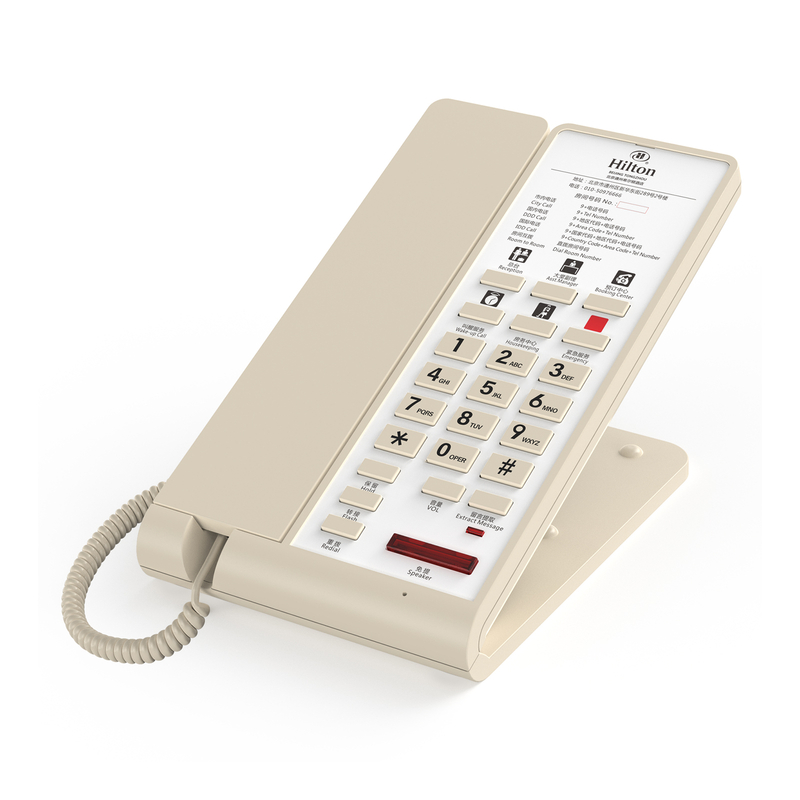
In the past, having a telephone in the bathroom was more than a convenience—it was often a formal requirement for hotels aiming for top-tier ratings. For example, in the United States, the AAA Diamond Rating system once mandated a landline or cordless phone in the bathroom for hotels to qualify for Four Diamond status or higher. This requirement illustrated how bathroom phones were seen as a hallmark of luxury and attentiveness to guest needs.
Similarly, other rating organizations considered bathroom phones part of the essential luxury amenities. The logic was simple: guests should have seamless access to communication anywhere in their room, including the bathroom. This was especially important before mobile phones became widespread. Hotels that met these criteria could advertise their high rating, attracting guests who equated these features with quality and prestige.
Today, the landscape has shifted. Most hotel rating agencies no longer require bathroom phones as part of their evaluation criteria. The rise of mobile phones means guests can stay connected without relying on fixed lines. Consequently, rating systems have adapted, focusing more on other aspects like room quality, cleanliness, technological integration, and overall guest experience.
For instance, modern rating guidelines emphasize smart technology, eco-friendly design, and wellness amenities rather than traditional features like bathroom phones. Some rating bodies have even removed any mention of bathroom phones altogether. This change reflects evolving guest expectations and the reality of mobile connectivity.
However, a few rating systems still mention bathroom phones, particularly in luxury categories, though this is becoming rare. Some hotels keep these phones to preserve a vintage or classic luxury feel, which can appeal to certain demographics. But increasingly, ratings prioritize innovation and hygiene standards over legacy amenities.
Bathroom phones once stood as a clear symbol of luxury and convenience. But today, their future looks quite different. As mobile phones become smarter and more reliable, the need for fixed bathroom phones continues to fade. Most guests now carry devices that let them answer calls anywhere, making bathroom phones seem unnecessary or even outdated.
Still, some experts predict bathroom phones won't disappear entirely. Instead, they may evolve. For example, hotels might integrate bathroom phones with smart room systems. Guests could use them to control lighting, request services, or even call for help hands-free. This would blend the old convenience with new technology, keeping bathroom phones relevant in a modern way.
Another possibility is that bathroom phones become niche features. Luxury or boutique hotels might keep them as part of a vintage or retro design theme. They could appeal to travelers who enjoy a classic hotel experience or those who value extra safety features. In this way, bathroom phones serve more as style statements than necessities.
Nostalgia plays a big role in the future of bathroom phones. Some guests associate them with a golden age of travel and comfort. For these travelers, a bathroom phone adds charm and a sense of exclusivity. Hotels that want to stand out might keep bathroom phones to evoke this vintage luxury.
Vintage appeal also ties into marketing. Hotels can promote bathroom phones as unique amenities that set them apart. This taps into a trend where travelers seek experiences, not just places to sleep. A bathroom phone can be a conversation starter or a photo-worthy detail that guests remember.
However, hotels must balance nostalgia with hygiene and practicality. Phones in bathrooms raise cleanliness concerns for some guests. Proper sanitation and thoughtful design can help ease these worries. For example, using waterproof, antimicrobial phone models or placing them away from direct contact areas may improve guest comfort.
In summary, bathroom phones may no longer be standard luxury features, but they still hold value. Whether evolving through technology or preserved for nostalgia, they remain part of hotel history and guest experience.
Bathroom phones once symbolized luxury and convenience, evolving from essential amenities to nostalgic features. Today, their relevance has diminished with the rise of mobile phones, though some hotels retain them for vintage appeal or safety. As technology advances, these phones may integrate with smart systems, maintaining a modern edge. Shenzhen Sachikoo Yongfa Technology offers innovative solutions, ensuring products that blend tradition with contemporary needs, providing guests with enhanced safety and convenience.
A: A Hotel Telephone Caller ID Telephone in bathrooms ensures guests can receive calls without leaving the tub or toilet, providing convenience and maintaining connectivity.
A: Hotel Telephone Caller ID Telephones offer a quick way to call for help in case of bathroom emergencies, ensuring swift assistance for guests.
A: Luxury hotels retain Hotel Telephone Caller ID Telephones for their vintage appeal and practical use, enhancing guest experience with classic charm.
A: Yes, due to mobile phones, Hotel Telephone Caller ID Telephones are often seen as outdated, though some hotels keep them for nostalgia and safety.