E-mail: sachikoo_sz@yeah.net
Telephone: +86-13118819569

Views: 0 Author: Site Editor Publish Time: 2026-08-17 Origin: Site


In the hospitality industry, power failures transform from minor inconveniences to critical life-safety hazards within seconds. Facility managers face significant liability if emergency lighting fails during an outage. The challenge lies in verifying that a wall-mounted unit will instantly and reliably activate upon power loss, without requiring staff to manually trigger every device. Establishing a standardized, verifiable testing protocol for automatic activation ensures regulatory compliance, extends device lifespan, and guarantees guest safety. This guide breaks down the technical evaluation, regulatory standards, and operational workflows for testing these critical safety devices. We detail how maintenance teams can streamline room sweeps, evaluate battery degradation, and maintain strict adherence to regional fire codes without disrupting daily hotel operations.
Compliance is Time-Bound: Standard fire and safety codes typically mandate a 30-second functional test monthly and a full 90-minute battery discharge test annually for emergency lighting systems.
Activation Relies on Circuit Interruption: Automatic activation is triggered by a voltage drop at the charging base; testing must accurately simulate this specific electrical condition.
Workflow Integration Reduces Costs: Combining emergency flashlight testing with routine checks of other battery-operated room amenities optimizes maintenance labor.
Procurement Dictates Testability: Selecting units with accessible manual test buttons or centralized circuit-testing capabilities drastically reduces the time required for monthly compliance audits.
To test a system accurately, maintenance teams must first understand its underlying trigger conditions. A successful automatic emergency flashlight must activate within fractions of a second of power loss. This immediate response prevents panic, provides clear egress visibility, and helps guests locate the unit in pitch darkness. If the activation is delayed, the device fails its primary life-safety objective.
Internal circuitry relies on specific components to monitor incoming voltage from the building's electrical grid. These systems typically utilize electromagnetic relays or solid-state transistors. These components hold the light circuit open while alternating current flows from the wall outlet. They act as a gatekeeper, preventing the battery from discharging during normal operations.
A specific voltage-drop threshold triggers the system. When wall power ceases or drops below a functional level—often around 90 volts on a standard 120-volt circuit—the relay loses its magnetic hold. The spring-loaded contact snaps shut, and the circuit immediately closes. The device then draws power from the internal battery to illuminate the LED array. Testing procedures must accurately replicate this exact voltage drop to verify the sensor's responsiveness.
The charging base serves a dual purpose in this ecosystem. It acts as a continuous trickle-charger to maintain battery readiness. It also functions as the primary power-monitoring sensor. Bases utilize either induction charging or direct contact pins to transfer power.
Direct contact pins require physical alignment between the flashlight body and the base.
Contact pins can oxidize in humid environments, requiring periodic cleaning with isopropyl alcohol or dielectric grease.
Induction charging offers sealed, moisture-resistant power transfer using electromagnetic fields.
Induction models eliminate exposed metal components, reducing physical wear and tear on the housing.
Both base types must accurately detect grid power loss to trigger the illumination sequence without delay.
Navigating specific life-safety codes dictates your testing frequency and duration. Fire marshals strictly enforce these regulations to ensure occupant safety. Understanding the evaluation dimensions helps facility teams build compliant, defensible maintenance schedules that hold up during surprise inspections.
The 30-second rule governs monthly functional testing across most jurisdictions, including standards set by NFPA 101. You must simulate a power outage for a minimum of 30 seconds. This brief window confirms the sensor operates and the battery holds a sufficient surface charge to power the LED driver.
During this test, inspectors look for immediate activation upon power loss. They verify stable lumen output without flickering, dimming, or hesitation. Finally, they check for proper reset and shutoff when power restores. If the light remains on after power returns, the internal relay has failed and the unit requires immediate replacement.
The 90-minute standard applies to annual battery discharge testing. This continuous burn test verifies deep battery capacity and thermal stability. It ensures the device can guide guests through prolonged outages, severe weather events, or complex building evacuations.
Failure indicators during this test include severe dimming, premature shutoff, or excessive heat generation from the battery compartment. Devices failing this test require an immediate battery replacement or a complete unit swap. Recording the exact minute a unit fails helps maintenance directors determine if a specific batch of batteries has reached the end of its lifecycle.
Ecosystem synchronization ensures comprehensive property compliance. Isolated testing wastes time and creates gaps in your safety net. Align in-room flashlight audits with the mandatory testing of hallway egress lighting.
Include battery-operated EXIT signs and stairwell emergency packs in this synchronized sweep. Testing all emergency illumination systems simultaneously provides a clear picture of the property's overall readiness. It also simplifies the scheduling process for your maintenance staff, allowing them to clear entire floors systematically.
Documentation mitigates liability in the event of an incident. Poor record-keeping shifts liability directly onto the facility management team. Log all test results meticulously in a centralized digital system rather than relying on paper binders.
Track serial numbers or asset tags for every unit. Record the date, the technician's name, the specific room number, and the pass/fail status. Maintain clear audit trails for fire marshals and insurance providers. If a unit fails, document the exact remediation steps taken to restore compliance, including work order numbers and replacement dates.
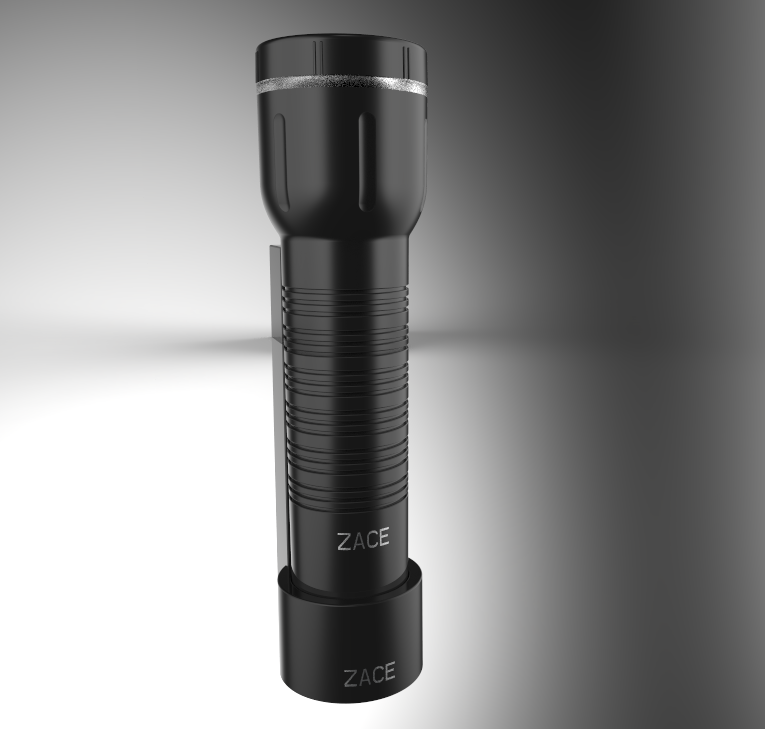
Facility teams use practical methods to verify functionality without disrupting hotel operations. Choosing the right approach depends on your hardware capabilities and staffing levels. Each method carries specific operational trade-offs that impact labor hours and testing accuracy.
Manual base-removal testing represents the simplest, most primitive method. Staff physically remove the unit from the wall bracket. This action breaks the charging connection and triggers the light. It confirms the battery works and the bulb functions.
However, this method is highly labor-intensive. It requires staff to handle every single unit physically. More importantly, it fails to test the base's ability to sense a wall-power failure. The base could be receiving no power from the wall due to a tripped breaker or faulty wiring, but the light would still activate when removed, masking a critical sensor failure.
Simulated power outages via test switches offer a superior alternative. Many modern units feature built-in test buttons on the base or the unit itself. Pressing the button temporarily interrupts the AC power flow to the internal sensor.
This replicates a true grid outage accurately. It tests the entire circuit, from the wall connection to the LED output. This stands as the industry-standard approach for monthly 30-second checks. It allows staff to verify functionality quickly without removing the device from its secure mounting, saving thousands of labor hours annually across a large property.
Circuit-level breaker testing allows room-wide or floor-wide verification. Maintenance can flip the breaker for a specific block of rooms at the electrical panel. This tests multiple units simultaneously, saving significant walking time.
Implementation carries distinct risks, however. It requires strict coordination with the front desk to ensure guest vacancy. Plunging occupied rooms into darkness causes immediate guest complaints. Furthermore, cutting power resets digital clocks, smart thermostats, and other sensitive room settings, creating additional reset work for the staff.
Standard Breaker Testing Workflow
Coordinate with the front desk to confirm the target floor is completely vacant.
Station technicians at opposite ends of the corridor with two-way radios.
Disconnect the main lighting circuit breaker at the floor's electrical panel.
Walk the rooms rapidly to verify activation and note any units that fail to illuminate.
Restore power at the breaker panel.
Walk the rooms a second time to verify all units have turned off and resumed charging.
Ensuring the light is simply "on" is insufficient for life safety. A rechargeable flashlight must provide usable, safe illumination that cuts through smoke or ambient darkness. Output must meet specific safety thresholds to guide guests effectively toward the room exit.
Measuring lumen output during the initial activation window is critical. Human eyes require time to adjust to sudden darkness. Output testing verifies peak brightness within the critical 30 to 120 seconds after activation.
Establish a baseline by averaging lumen output across multiple samples. Pull these samples from a new procurement batch. This ensures consistent throw and brightness across the property. Use handheld lux meters during annual tests. This guarantees output does not drop below safe egress levels as the LED degrades over time or the battery loses its peak voltage capacity.
Battery degradation directly impacts emergency performance. Analyze the lifespan of different battery chemistries used in your fleet. Constant trickle-charge conditions accelerate wear on certain types of cells, leading to premature failure during an actual emergency.
Battery Chemistry Comparison for Standby Charging
| Battery Chemistry | Average Lifespan | Vulnerability in Standby Mode | Maintenance Requirement |
|---|---|---|---|
| Nickel-Cadmium (NiCd) | 2-3 Years | Memory effect reduces total capacity | Requires deep discharge cycles |
| Nickel-Metal Hydride (NiMH) | 3-4 Years | Degrades rapidly under constant heat | Monitor base temperature |
| Lithium-ion (Li-ion) | 4-5 Years | Risk of thermal runaway if overcharged | Requires smart charging circuits |
Establish a proactive replacement schedule based on annual discharge test failure rates. Replace batteries in batches to maintain consistent performance across specific floors or wings. Do not mix old and new batteries within the same unit, as this causes uneven voltage drain and potential leakage.
Testing emergency equipment efficiently across a 500-room property requires scalable processes. Isolated testing wastes valuable labor hours and increases operational overhead. Smart integration is the key to sustainable compliance and reduced maintenance backlogs.
Synchronizing room sweeps maximizes efficiency. Integrate the 30-second flashlight test into standard preventative maintenance (PM) checklists. When a technician enters a room to change an air filter or check plumbing fixtures, they should simultaneously test the emergency lighting.
Pair emergency lighting checks with other battery-operated amenity audits. For example, calibrate and test the batteries of a hotel bathroom scale during the same room entry. You can also evaluate the functionality and connectivity of a smart electronic scale simultaneously. This maximizes labor efficiency per room entry and ensures all guest-facing technology remains operational.
Create a unified digital checklist on a mobile tablet. Include all battery-operated and smart room amenities. This ensures nothing gets overlooked during routine sweeps. Digital checklists also provide immediate timestamps, bolstering your compliance documentation for fire marshals.
Recommended Maintenance Schedule for Room Amenities
| Amenity Type | Test Frequency | Key Evaluation Metric |
|---|---|---|
| Emergency Illumination | Monthly | 30-second activation response |
| Emergency Illumination | Annually | 90-minute continuous burn |
| Digital Weighing Devices | Quarterly | Battery voltage and calibration accuracy |
| Digital Clocks | Bi-Annually | Time accuracy and backup battery health |
| Electronic Safes | Quarterly | Locking mechanism and battery level |
A reliable in-room flashlight serves modern utility for guest security protocols. Its value extends far beyond simple power outages. Guests increasingly view these devices as active security tools rather than passive emergency equipment.
The "Flashlight Test" has become a recognized security practice among frequent travelers. Flight crews and security-conscious guests utilize high-lumen output to sweep rooms upon arrival. They search for hidden cameras, verify window locks, or inspect dark corners under beds and behind heavy drapes.
A reliable Hotel Emergency Flashlight makes this possible. The beam must be strong enough to catch the reflection of a hidden camera lens hidden in smoke detectors or alarm clocks. Reliable activation becomes a daily guest-experience factor. If the light fails during a routine security sweep, guest confidence plummets, leading to negative reviews and immediate complaints to the front desk.
Consider several factors before purchasing or upgrading a fleet of flashlights. Hardware choices directly impact long-term maintenance workflows. You must balance security, accessibility, and ease of testing when selecting new units for your property.
Hardwired versus plug-in charging bases present a distinct operational trade-off. Hardwired units are tamper-proof and highly reliable. They cannot be accidentally unplugged by housekeeping vacuums or guests. However, they require an electrician to test at the circuit level if no test button is present on the housing.
Plug-in units are easier to test by simply unplugging the base from the wall outlet. Yet, they remain vulnerable to guests unplugging them to use the outlet for personal device charging. Once unplugged, the battery drains completely, rendering the device useless during an actual emergency.
Theft deterrence often conflicts with emergency accessibility. Evaluate anti-theft locking mechanisms carefully. If a unit is too difficult to remove from the wall, it hinders guest emergency use. It also slows down maintenance testing significantly, adding minutes to every room sweep.
Ensure mounting heights and removal mechanisms accommodate guests with mobility or visual impairments. ADA compliance is mandatory. The mounting height must generally fall between 15 and 48 inches above the finished floor for forward reach. The force required to remove the flashlight must not require tight grasping, pinching, or twisting of the wrist. Avoid mechanisms that trigger false activations during normal handling.
False activations cause unnecessary battery drain and shorten device lifespan. Address the risk of hyper-sensitive sensors. These sensors might trigger during minor voltage fluctuations, brief brownouts, or when heavy machinery starts up elsewhere in the building.
Frequent false activations lead to dead batteries when an actual emergency occurs. Select units with built-in delay circuits that ignore momentary voltage dips lasting less than a second. Ensure physical connections between the flashlight and the charging base remain tight. Loose connections can simulate a power loss, triggering the light unnecessarily and draining the battery.
Consistent, documented testing of automatic activation serves as a foundational element of hotel risk management. It guarantees guest security and shields facility managers from severe liability. Proper testing protocols ensure that when the grid fails, your property remains safe, navigable, and fully compliant with regional fire codes.
When procuring new units, prioritize models with integrated test buttons. Look for standardized rechargeable battery packs and clear visual indicators of charging status. These features drastically reduce the labor required for monthly compliance audits while improving overall reliability.
Take the following actions to secure your facility:
Audit your current testing logs to identify compliance gaps or missing documentation from the past twelve months.
Transition to a digital checklist system for all monthly 30-second functional tests to ensure accurate timestamps.
Schedule a synchronized annual 90-minute discharge test alongside other battery-operated room amenity audits.
Replace units showing signs of severe battery degradation, physical housing damage, or thermal instability immediately.
A: Standard fire codes require a 30-second functional test every month. Additionally, you must conduct a full 90-minute battery discharge test annually to ensure sustained performance during prolonged outages.
A: Failures typically stem from degraded internal batteries, corroded charging contacts, or faulty voltage-drop sensors. Continuous trickle charging can also degrade certain battery chemistries over time, reducing their ability to hold a charge.
A: Yes, flipping the breaker tests multiple units simultaneously. However, this method disrupts guest operations, resets digital room amenities, and requires strict coordination to ensure rooms are vacant before cutting power.
A: Hyper-sensitive voltage sensors can trigger false activations during minor power fluctuations. Loose physical connections between the flashlight and the charging base can also simulate a power loss, causing the light to turn on.
A: Most commercial rechargeable batteries last between three to five years under continuous trickle-charge conditions. Annual 90-minute discharge tests help identify exactly when a battery requires replacement.
A: Plug-in bases are generally compliant, but they carry the risk of guests unplugging them to use the outlet. Hardwired units eliminate this risk but are more complex to install and test without a built-in test button.