E-mail: sachikoo_sz@yeah.net
Telephone: +86-13118819569

Views: 0 Author: Site Editor Publish Time: 2026-05-26 Origin: Site


Boiling water on demand feels like a simple kitchen luxury. We push a switch and walk away, completely trusting our appliances to handle extreme heat safely. However, purchasing an appliance for this task involves serious thermal and electrical safety considerations. A poorly manufactured appliance operating at boiling temperatures poses legitimate fire and scald risks to both homes and hotel rooms. Thankfully, engineering standards have evolved dramatically. High-quality modern units utilize a strict multi-tiered safety architecture to keep users safe. They combine steam-triggered switches, digital thermistors, and sacrificial thermal fuses. These overlapping defenses effectively mitigate both user error and catastrophic mechanical failure. Understanding these hidden mechanisms transforms how you evaluate and purchase your next kitchen essential.
Primary Defense: Automatic shut-off relies on steam pressure to trigger, making a properly sealed lid critical to functionality.
Secondary Defense: Boil-dry protection utilizes temperature sensors to cut power if the kettle operates without water.
Ultimate Failsafe: Hidden thermal fuses act as a final circuit breaker, sacrificing the appliance to prevent fire if all other sensors fail.
User Maintenance: Over 80% of premature thermal failures are caused by scale accumulation, not electrical defects, making maintenance a core safety pillar.
Most buyers assume standard appliances measure water temperature directly. They do not. Instead, they measure vapor pressure. When water boils, it generates pressurized steam inside the chamber. This vapor travels down a dedicated internal tube toward a bimetallic switch located in the base. The sudden influx of heat causes the bimetallic strips to expand at different rates. This physical expansion snaps the switch into the off position. It immediately cuts power to the heating element. It remains a brilliantly simple, highly reliable mechanical solution.
What happens if you accidentally turn on an empty unit? Integrated thermistors act as your secondary safety net. These digital temperature sensors monitor the heating element directly. They detect rapid, abnormal heat spikes. When temperatures climb too quickly, they immediately open the circuit. This anti-dry boil protection prevents the internal coils from melting. It saves the appliance from catastrophic thermal runaway.
Premium commercial and residential appliances use both defenses simultaneously. They combine steam pressure switches and base-level heat sensors. These redundant dual-protection systems guarantee the unit powers down safely. If mineral scale jams the steam switch, the thermistors take over. This redundancy separates reliable engineering from dangerous budget designs. Manufacturers design them to fail safely.
Skeptical buyers often ask valid questions. They wonder what happens if the automatic shut-off completely breaks. You need a physical backup. Modern units feature a sacrificial thermal fuse built directly into the base. It serves as your final safety net. If internal temperatures reach a critical, fire-risk threshold, this tiny component melts. It permanently severs the electrical connection. You lose the appliance, but you prevent a devastating kitchen fire. Engineers design this ultimate failsafe to sacrifice the unit entirely.
We must also consider electrical contact stability. High-wattage appliances draw massive electrical currents. Premium models utilize robust, high-gauge contact points. Engineers design these connectors to withstand intense heat without prematurely burning out. Poor contact stability remains a common flaw in cheap alternatives. Inferior metals spark and degrade over time. They eventually create dangerous short circuits.
You should maintain transparent expectations about daily usage. Household units are not commercial boilers. They do not support continuous operation. You cannot run them back-to-back for hours. High-power heating requires specific cooldown intervals. You must let the internal components rest. Allowing the bimetallic plates and internal fuses to cool prevents premature mechanical degradation.
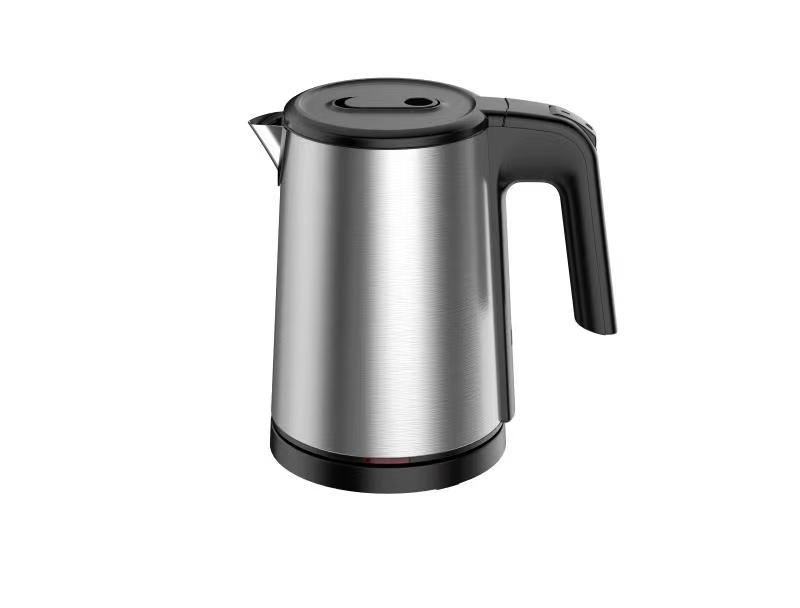
Evaluating physical design is crucial for long-term safety. You must consider how the appliance heats your water. Concealed elements represent a major safety upgrade over older designs. Manufacturers hide advanced nickel-chromium alloys under a flat stainless steel plate. This intelligent design isolates sensitive electrical components from direct water contact. It drastically reduces shock risks. It also limits mineral buildup compared to exposed coils. Purchasing an Electric Kettle featuring a concealed element guarantees superior longevity.
We must look closely at outer body designs. Scalds account for major domestic injuries. Double-wall construction keeps the outside safe to touch. Engineers pair a stainless steel interior with a BPA-free plastic exterior. Sometimes they use a secondary metal shell. This creates an insulating pocket of air. Let us review the essential ergonomic safety features:
Anti-slip handles: Textured grips prevent dangerous drops when carrying boiling water.
Locking lids: Secure locking mechanisms stop accidental spills if someone knocks the unit over.
Seamless interiors: Eliminating internal crevices prevents rust and bacterial accumulation.
Spout filters: Integrated mesh screens capture dislodged mineral scale before it enters your cup.
Your chosen materials matter heavily for chemical safety. We strongly recommend food-grade 304 or 316 stainless steel. High-thermal-shock borosilicate glass provides another excellent, non-toxic choice. These stable materials prevent chemical leaching into your drinking water. They also prevent structural shattering under rapid temperature changes.
| Material Type | Thermal Shock Resistance | Chemical Leaching Risk | Durability Profile |
|---|---|---|---|
| 304/316 Stainless Steel | Excellent | None | Highly impact resistant; prone to denting but not shattering. |
| Borosilicate Glass | Very Good | None | Shatter-resistant under heat; vulnerable to physical drops. |
| Standard Plastic | Moderate | High (Microplastics) | Degrades and becomes brittle over repeated thermal cycles. |
The safest hardware still requires responsible operation. Bad habits often bypass built-in safety controls. The "open lid" vulnerability represents a major implementation reality. Many users forget to snap the top completely shut. If you leave it open, steam easily escapes into the room. It never travels down the internal tube to the bimetallic sensor. The appliance will continuously boil. It boils until it runs completely dry. Only then will the secondary fail-safe finally trigger.
Many users also force immediate re-boiling. Do not do this. You must respect the 90-second rule. Forcing back-to-back heating cycles creates massive thermal stress. Residual heat accumulates rapidly in the base. This trapped heat bypasses low-temperature safeties. You risk prematurely blowing the emergency thermal fuse. Waiting a minute allows the mechanical switches to reset properly.
You must understand how scale accumulation destroys internal components. Hard water mineral deposits create a thick insulating layer. This chalky film covers the heating element like a blanket. It forces the appliance to work harder and hotter to boil water. This extra strain accelerates thermal fatigue. It eventually causes total electrical failure. Evidence-based maintenance shows regular descaling prevents overheating.
How do you find the safest model? You need a strict evaluation process. Start by looking for non-negotiable safety certifications on the packaging. Seek out UL, CE, or ETL marks. These symbols guarantee the appliance passed rigorous electrical load testing. Independent laboratories verify the failsafe mechanisms work exactly as designed. They test drop resilience, wire integrity, and thermal cut-off reliability.
You must always match capacity to your electrical load. Never overload your domestic circuits. Ensure the wattage aligns with your environment. Standard models run between 1500W and 3000W. You must check your breaker capacity before plugging them in. Older homes and budget hotel rooms handle high wattage poorly. Drawing too much power melts cheap sockets and trips circuit breakers constantly.
Follow these specific steps to shortlist your next purchase:
Verify the heating element: Reject any model displaying exposed heating coils inside the water chamber.
Confirm dry-boil sensors: Check the manufacturer specifications for explicit mention of thermistor protection.
Inspect the interior walls: Choose designs featuring seamless, single-piece stainless steel interiors to prevent leaks.
Test the lid mechanism: Ensure the top locks securely and requires deliberate force to open.
Examine the power base: Look for sturdy electrical contacts and integrated cord storage to prevent tripping hazards.
Evaluating these exact specifications guarantees better performance. It separates reliable daily workhorses from dangerous, disposable appliances.
Electrical appliance safety relies entirely on overlapping engineering defenses and responsible user habits. Digital thermistors, sacrificial fuses, and steam switches provide incredible mechanical protection. They monitor heat spikes and sever power before dangerous thresholds are crossed. However, your daily operational choices determine long-term reliability. Closing lids securely and performing regular descaling prevents most premature failures.
Investing in certified models constructed with high-quality materials ensures lasting performance. It eliminates the need for frustrating early replacements. Most importantly, it actively protects your household or business from severe fire and scald hazards. Always verify electrical ratings before installing high-wattage devices. Smart purchasing decisions deliver immediate peace of mind.
A: Minor warmth is normal due to the high electrical current required for rapid heating. Most models draw between 1500W and 3000W. However, a cord that feels genuinely too hot to touch indicates a serious problem. It points to a faulty internal wire or an overloaded wall socket. Unplug the unit immediately to prevent melting.
A: It depends on the internal sensor mechanism. Water boils at a lower temperature at high altitudes. If a device relies strictly on a fixed thermal threshold, it may struggle to shut off automatically. Units relying on steam pressure switches handle high-altitude boiling far more effectively.
A: Create a simple solution of equal parts cold water and white vinegar. Pour it inside and let it sit for an hour. Boil the mixture, empty the unit, and rinse thoroughly. Never submerge the device. Keep the exterior base completely dry to prevent moisture from entering the bottom electrical contacts.