E-mail: sachikoo_sz@yeah.net
Telephone: +86-13118819569

Views: 0 Author: Site Editor Publish Time: 2026-01-30 Origin: Site


When it comes to refrigeration, understanding the difference between a mini fridge and a regular refrigerator is essential for selecting the right option for your home, office, or business needs. Both offer cooling solutions but differ significantly in terms of size, functionality, and energy efficiency. In this article, we will explore the differences between mini fridges and regular refrigerators, including their sizes, capacities, energy consumption, and various use cases.
A mini fridge is a compact and portable version of a standard refrigerator, designed to fit in smaller spaces like dorm rooms, office desks, or hotel rooms. Mini fridges are versatile, energy-efficient, and available in various sizes, ranging from under-counter models to portable units. They typically come with basic features such as adjustable shelves, a small freezer compartment, and a simple thermostat for temperature control.
Hotel Mini Bar Fridge: A hotel mini bar fridge is a small fridge designed to fit in hotel rooms for guest use. These fridges are typically stocked with beverages, snacks, and other amenities for hotel guests.
Stainless Steel Mini Fridge: This type of mini fridge is made of durable, sleek stainless steel, offering a modern and stylish look. It's commonly used in homes, offices, and hospitality environments.
Noise-Free Electric Mini Fridge: These mini fridges use semiconductor cooling technology instead of compressors, making them operate quietly—ideal for noise-sensitive environments like hotel rooms and offices.
Portable Mini Refrigerator: A portable mini refrigerator is designed for mobility, often used for camping, road trips, or outdoor events where refrigeration is needed.
Compact Mini Fridge: A compact mini fridge is slightly larger than a typical mini fridge but still designed to save space. These fridges are often found in homes and offices where space is limited.
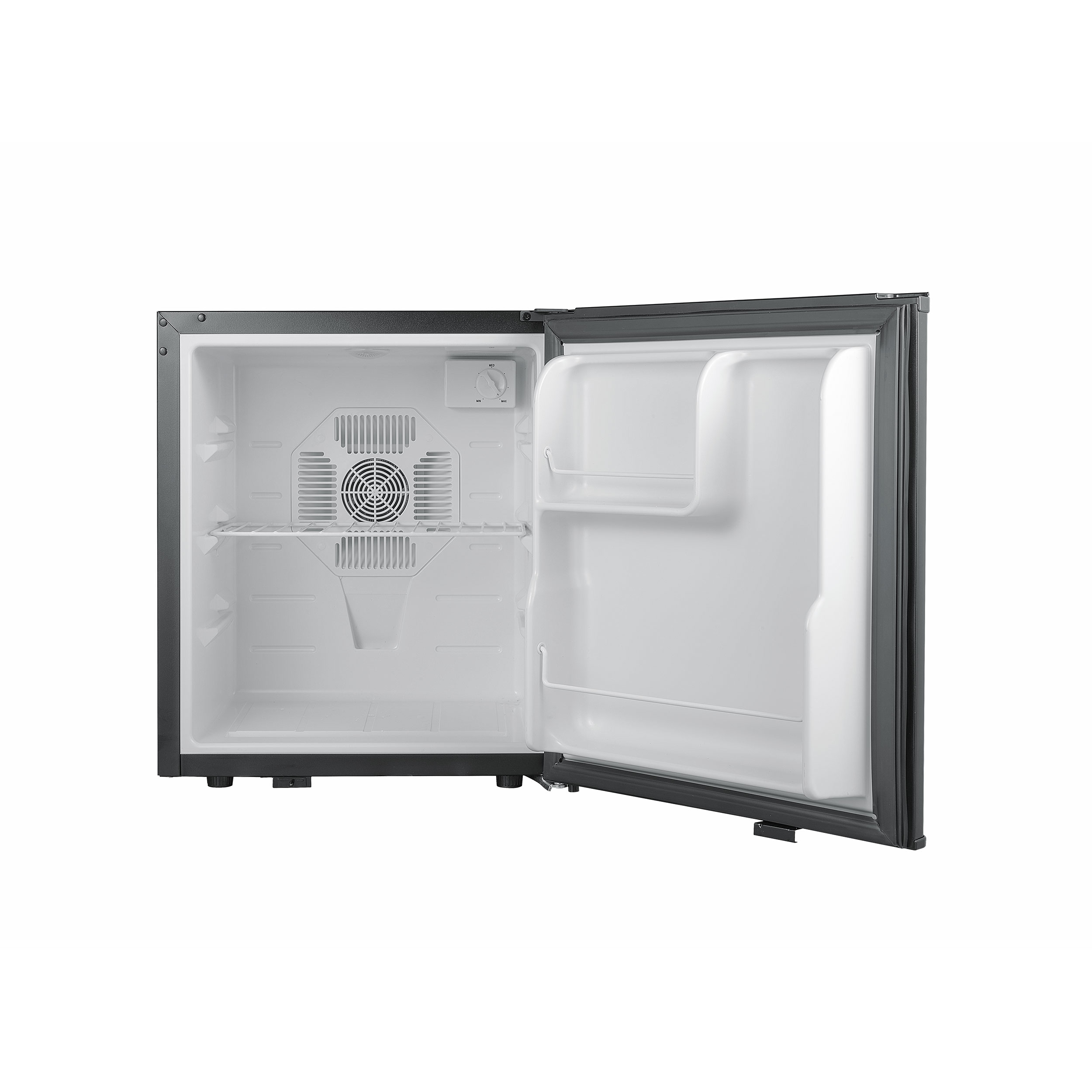
A regular refrigerator, on the other hand, is a full-sized appliance designed for larger households, businesses, and commercial use. These refrigerators offer greater capacity and more advanced features, including multiple compartments, a dedicated freezer, and adjustable shelving. Regular refrigerators are often used for storing a variety of perishable items such as fruits, vegetables, dairy, meat, and beverages.
Larger Storage Capacity: Regular refrigerators offer much more storage space, typically ranging from 10 to 30 cubic feet.
Multiple Compartments: Most regular fridges come with separate compartments for fresh food and frozen items.
Advanced Temperature Control: Regular refrigerators often have more precise and varied temperature controls for different sections of the fridge, making it ideal for preserving a wide range of food items.
One of the main differences between mini fridges and regular refrigerators is their size. Let’s explore the specifics:
| Feature | Mini Fridge | Regular Refrigerator |
|---|---|---|
| Size (Height x Width x Depth) | 18” x 16” x 20” | 66” x 30” x 30” |
| Capacity | 1.5 to 4.5 cubic feet | 10 to 30 cubic feet |
| Weight | 30 to 60 lbs | 150 to 250 lbs |
| Freezer Space | Small freezer compartment or none | Dedicated large freezer compartment |
| Energy Consumption | 100–200 kWh/year | 300–600 kWh/year |
| Noise Level | Below 40 dB (Noise-Free options) | 40-50 dB |
| Portability | Highly portable | Not portable |
Mini fridges are much smaller than regular refrigerators, typically ranging from 1.5 to 4.5 cubic feet in storage capacity. Their compact size makes them perfect for small spaces, such as dorm rooms, offices, or hotel rooms. For instance, a portable mini refrigerator might have a capacity of just 20 liters, while a stainless steel mini fridge may offer up to 40 liters of storage. Noise-free electric mini fridges tend to be quieter, making them ideal for noise-sensitive spaces like hotel rooms and offices.
In contrast, regular refrigerators are much larger, ranging from 10 to 30 cubic feet in size. These fridges are suitable for families and larger households that need to store a significant amount of food and beverages. They typically feature multiple shelves and compartments, including a large freezer section. While these refrigerators require more space and energy, they offer much greater storage capacity.
When deciding between a mini fridge and a regular refrigerator, consider the following factors:
If you have limited space, such as in a dorm room or small office, a mini fridge is an ideal solution. However, if you have more room available and require more storage capacity, a regular refrigerator will better suit your needs.
A mini fridge is perfect for storing a small number of beverages, snacks, and other personal items. However, for larger families or those who need to store fresh produce, meats, and frozen foods, a regular refrigerator offers far more storage space.
Mini fridges are generally more energy-efficient than regular refrigerators, consuming significantly less electricity. However, a regular refrigerator may be more energy-efficient per cubic foot of storage space due to the larger units being designed for long-term use and high-efficiency cooling.
If noise is a concern, such as in hotel rooms or quiet office spaces, a noise-free electric mini fridge is a great choice. These fridges use semiconductor cooling technology and are quieter than their compressor-based counterparts.
Mini fridges are more affordable than regular refrigerators due to their smaller size and simpler design. While the initial investment for a regular fridge is higher, it may be more cost-effective in the long run due to its larger storage capacity and longer lifespan.
The main difference lies in the size and storage capacity. Mini fridges are compact and designed for smaller storage needs, while regular refrigerators offer much larger storage spaces and additional compartments.
For personal use in smaller spaces, a mini fridge can be a great replacement. However, for larger households or businesses that need to store a variety of perishable foods, a regular refrigerator is more practical.
Yes, mini fridges are generally more energy-efficient than regular refrigerators due to their smaller size. Models like the noise-free electric mini fridge also consume less energy due to their quiet, efficient cooling systems.
A hotel mini bar fridge is ideal for hotel rooms, as it is compact, quiet, and designed to store a limited amount of beverages and snacks. A regular refrigerator would be too large for the space and less efficient for the purpose.
Yes, portable mini refrigerators are perfect for outdoor activities like camping and road trips, as they are designed for easy transport and offer a cooling solution on the go.
When it comes to choosing between a mini fridge and a regular refrigerator, it’s crucial to consider factors like space, storage needs, energy consumption, and noise levels. A mini fridge is an excellent option for those with limited space or specific cooling needs, such as in hotel rooms or offices. On the other hand, a regular refrigerator is better suited for larger households or businesses that require more storage space and advanced features. Whether you opt for a stainless steel mini fridge or a noise-free electric mini fridge, it’s essential to select the appliance that best meets your needs and lifestyle.